
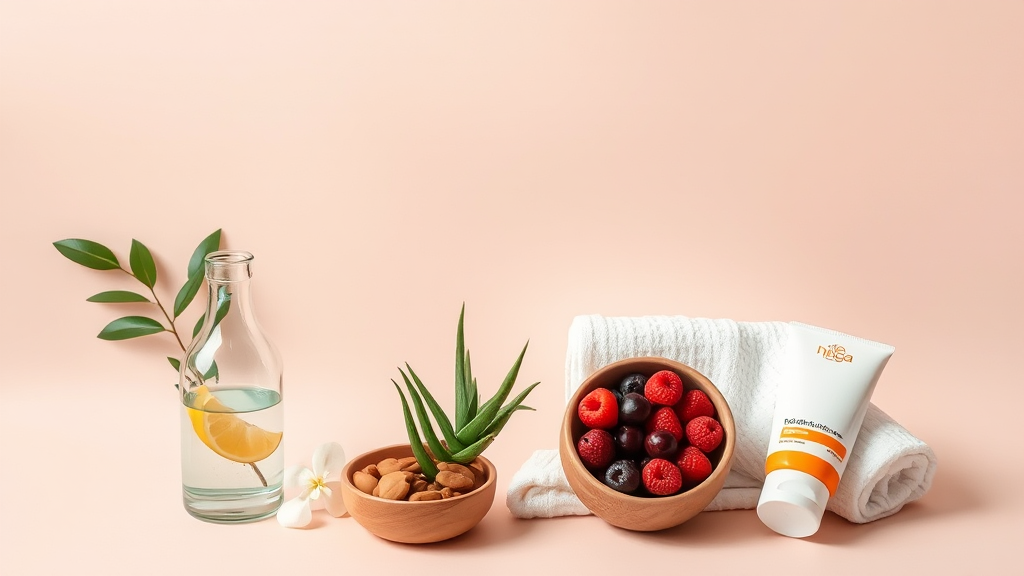
Timeless Beauty Tips for a Naturally Radiant Glow
Timeless Beauty Tips for a Naturally Radiant Glow
In a world saturated with fleeting trends and ever-changing standards, true beauty remains rooted in timeless principles. It is not about masking imperfections but about nurturing your skin, body, and mind from within. Whether you are a beauty enthusiast or a beginner looking to refine your routine, these beauty tips will help you cultivate a natural, lasting radiance that shines through every aspect of your life.
From the importance of hydration to the transformative power of sleep, this guide covers the essential habits that form the foundation of any effective beauty regimen. We will explore how simple, consistent practices can yield remarkable results, and why a holistic approach—one that considers your physical, emotional, and environmental well-being—is the key to unlocking your most luminous self.
Hydration: The Elixir of Youthful Skin
Water is life, and your skin is the first organ to show the effects of dehydration. When you are not drinking enough water, your skin can appear dull, tight, and more prone to fine lines. Conversely, proper hydration plumps the skin, improves elasticity, and gives you that coveted dewy glow. But it is not just about drinking eight glasses a day—it is about smart hydration.
Start your morning with a glass of warm water and lemon to kickstart your metabolism and flush out toxins. Throughout the day, carry a reusable water bottle and sip regularly. Herbal teas and water-rich fruits like cucumber, watermelon, and oranges also contribute to your daily intake. Additionally, using a hydrating serum with hyaluronic acid can lock moisture into the skin, ensuring that your internal hydration reflects externally.
Remember, hydration is not a one-time fix but a daily commitment. Over time, you will notice a visible difference in your skin’s texture and tone. And when you combine adequate water intake with a consistent skincare routine, you are giving your skin the best chance to thrive.
Nourish from Within: The Role of Diet in Beauty
Your skin is a mirror of your diet. The foods you eat directly impact your complexion, hair health, and overall vitality. A diet rich in antioxidants, healthy fats, vitamins, and minerals can work wonders for your appearance. For instance, omega-3 fatty acids found in salmon, walnuts, and flaxseeds help maintain the skin’s lipid barrier, keeping it supple and moisturized.
Incorporate a rainbow of fruits and vegetables into your meals. Vitamin C from citrus fruits and berries boosts collagen production, which keeps skin firm and youthful. Vitamin E from nuts and seeds protects against oxidative stress, while zinc from legumes and whole grains aids in skin repair. Don’t forget the importance of protein—it provides the building blocks for healthy hair and nails.
A balanced diet also supports your gut health, and a healthy gut often translates to clearer skin. Probiotic-rich foods like yogurt and kefir can promote a balanced microbiome, reducing inflammation and breakouts. So, next time you reach for a snack, think about how it will nourish your skin from the inside out. These beauty tips are not just about external applications; they are about making mindful choices that reflect in your glow.
Skincare Routine: Consistency Over Complexity
One of the most common mistakes in skincare is overcomplicating the routine. While it is tempting to try every new product on the market, consistency is far more important than complexity. A simple, effective routine that you can stick to daily will yield better results than a 10-step regimen that you only follow occasionally.
At a minimum, your routine should include three steps: cleansing, moisturizing, and sun protection. In the morning, use a gentle cleanser to remove overnight impurities, follow with a vitamin C serum for antioxidant protection, and finish with a broad-spectrum sunscreen of at least SPF 30. At night, double cleanse to remove makeup and sunscreen, apply a nourishing moisturizer or a treatment product like retinol, and let your skin repair while you sleep.
Exfoliation is also beneficial, but it should be done in moderation—one to two times a week is usually sufficient. Over-exfoliating can damage the skin barrier, leading to irritation and breakouts. Listen to your skin and adjust your routine based on its needs. Remember, your skin changes with the seasons, your stress levels, and your age, so be flexible and patient with your approach.
The Power of Sleep and Stress Management
Beauty sleep is not just a myth—it is a biological necessity. During deep sleep, your body goes into repair mode, producing collagen and elastin, and releasing growth hormones that aid in cell regeneration. Lack of sleep can lead to dark circles, puffy eyes, and a dull complexion. Aim for 7 to 9 hours of quality sleep each night to allow your skin to rejuvenate fully.
Stress is another silent saboteur of beauty. When you are stressed, your body produces cortisol, which can trigger inflammation, breakouts, and premature aging. Managing stress is therefore essential for maintaining a healthy glow. Incorporate stress-reducing practices into your daily routine, such as meditation, deep breathing exercises, or gentle yoga. These activities not only calm your mind but also improve blood circulation, giving your skin a natural flush.
Consider creating a relaxing bedtime ritual to signal to your body that it is time to wind down. This could include dimming the lights, reading a book, or taking a warm bath with essential oils. By prioritizing sleep and stress management, you are investing in your long-term beauty and health.
Natural Ingredients and DIY Remedies
Nature offers a treasure trove of ingredients that can enhance your beauty routine without harsh chemicals. From kitchen staples to botanical extracts, these natural remedies can address various skin concerns effectively.
For instance, honey is a natural humectant and antibacterial agent, making it perfect for hydrating masks and spot treatments. Aloe vera soothes irritation and provides moisture, while green tea is packed with antioxidants that fight free radicals. Oatmeal can calm inflamed skin, and coconut oil is a versatile moisturizer (though it may not suit all skin types, especially oily skin).
You can create simple DIY masks at home: mix mashed avocado with a teaspoon of honey for a nourishing mask, or combine yogurt with turmeric for a brightening treatment. However, always patch-test new ingredients to ensure you do not have an adverse reaction. Natural does not always mean harmless, so use caution and research before applying anything to your skin.
While DIY remedies are a great addition to your routine, they should complement—not replace—your core skincare products. For personalized advice, consult a dermatologist who can guide you based on your specific skin type and concerns.
Sun Protection: The Ultimate Anti-Aging Secret
If there is one beauty tip that stands above all others, it is the consistent use of sunscreen. Sun exposure is the leading cause of premature aging, hyperpigmentation, and skin cancer. UVA rays penetrate deep into the skin, breaking down collagen and elastin, while UVB rays cause sunburn. Both can lead to long-term damage that is difficult to reverse.
Make sunscreen a non-negotiable part of your morning routine, regardless of the weather or season. Choose a broad-spectrum sunscreen with SPF 30 or higher, and apply it generously to all exposed areas—face, neck, ears, and hands. Reapply every two hours if you are outdoors, and wear protective clothing, hats, and sunglasses for added defense.
Many moisturizers and makeup products now include SPF, but relying solely on them may not provide adequate protection. It is best to use a dedicated sunscreen as the last step of your skincare routine. By shielding your skin from harmful rays, you are preventing future wrinkles, dark spots, and loss of elasticity, ensuring that your natural beauty remains intact for years to come.
Lifestyle Habits That Enhance Your Beauty
Beyond skincare and diet, your daily habits play a significant role in your appearance. Regular exercise boosts blood circulation, which delivers oxygen and nutrients to your skin cells, giving you a healthy post-workout glow. It also helps reduce stress and improve sleep, both of which are beneficial for your complexion.
Avoid smoking and excessive alcohol consumption, as they can dehydrate the skin and accelerate aging. Smoking narrows blood vessels, reducing blood flow and depriving the skin of oxygen and nutrients, leading to a dull, sallow appearance. Alcohol, on the other hand, dehydrates the body and can cause inflammation.
Also, pay attention to your posture. Slouching can lead to a double chin and neck strain, while standing tall with your shoulders back conveys confidence and vitality. Simple adjustments, like keeping your chin parallel to the ground and relaxing your facial muscles, can prevent tension lines and improve your overall demeanor.
Finally, do not underestimate the power of a positive mindset. Beauty is not solely about physical appearance; it is about how you feel about yourself. When you are happy and confident, it radiates outward. Embrace your unique features and practice self-love daily. These beauty tips are designed to enhance your natural beauty, not change who you are.
Frequently Asked Questions
How often should I exfoliate my skin?
Exfoliation frequency depends on your skin type. For most people, 1 to 2 times per week is ideal. Sensitive skin may require less frequent exfoliation, while oily skin might tolerate more. Always use gentle motions and follow with a moisturizer to prevent irritation.
Can I use natural oils as a moisturizer?
Yes, natural oils like jojoba, argan, and rosehip can be excellent moisturizers, but they may not suit all skin types. Oily or acne-prone skin should opt for non-comedogenic oils and use them sparingly. Patch-test first and consult a dermatologist if unsure.
What is the best time to apply anti-aging products?
Anti-aging products containing retinol or peptides are best applied at night, as they can make your skin more sensitive to sunlight. In the morning, focus on antioxidants like vitamin C and always follow with sunscreen to protect your skin.
How can I reduce dark circles under my eyes?
Dark circles can be caused by genetics, lack of sleep, allergies, or dehydration. Ensure you get enough sleep, stay hydrated, and use an eye cream with caffeine or vitamin K. Cold compresses can also help reduce puffiness temporarily.
Is it necessary to use a separate sunscreen if my makeup has SPF?
It is highly recommended to use a dedicated sunscreen, as makeup with SPF often does not provide adequate coverage or protection. You need at least a nickel-sized amount of sunscreen for your face, and it should be reapplied every two hours, which is difficult with makeup alone.